Motorcycle Safety Checklist
We’ve been helping UK riders stay safe on the road, providing advice and high-quality motorcycle gear to keep both you and your bike in top condition.
A key part of safe riding is making sure your motorcycle is road-ready before every journey. A simple pre-ride check can help you catch issues before they become bigger problems, ensuring a smoother and safer ride.
In fact, we recommend checking your bike over after each ride too. That way, you can spot any wear and tear early, plan any necessary repairs, and avoid last-minute surprises when you need to be on the road.
Why a Pre-Ride Safety Check Matters
A pre-ride check is an essential habit that can help keep you safe on the road.
Regular inspections ensure your motorcycle's performance remains reliable, reducing the risk of unexpected issues while riding. Small problems, like low tyre pressure or a worn brake pad, can quickly turn into serious hazards if left unchecked.
In the UK, riders also have a legal responsibility to maintain their motorcycles in roadworthy condition, with key requirements on tyre tread depth, lights, and brake functionality.
Staying on top of maintenance not only protects you but can also help prevent accidents—just take a look at the latest motorcycle safety statistics to see why these checks matter.
The Essential Motorcycle Pre-Ride Checklist
Tyres & Wheels
Your tyres are the only point of contact between your bike and the road, making regular checks crucial for grip, handling, and overall safety.
- Tyre Pressure & Tread Depth – Check the pressure using a tyre gauge and ensure it meets the manufacturer's recommended levels.
- The UK legal tread depth for motorcycles is 1mm across 75% of the tyre width—replace tyres if they fall below this.
- Signs of Wear, Cracks, or Punctures – Look for uneven wear, cracks that could lead to a slow puncture or sudden blowout.
- Wheel & Spoke Security – Check that the wheels are free from damage and that all spokes (if applicable) are secure and evenly tensioned. Any loose spokes can compromise stability and handling.
Controls & Cables
Smooth and responsive controls are essential for precise handling and braking, helping you react quickly to changing road conditions.
- Clutch, Throttle & Brake Lever Responsiveness – Ensure the throttle moves freely without sticking and that the clutch and brake levers engage smoothly. Stiffness or excessive play could indicate wear or an issue with fluid levels.
- Inspecting Cables for Fraying or Stiffness – Check cables for fraying, rust, or stiffness. Lubricate where necessary and replace any cables showing signs of excessive wear.
- Checking Fluid Levels & Potential Leaks – Ensure brake and clutch fluid levels are within the recommended range. Look for leaks around the master cylinders, hoses, or calipers, as low levels can impact braking efficiency.
Lights, Indicators & Electrics
Properly functioning lights and indicators ensure you’re visible to other road users, especially in low-light conditions.
- Checking Lights & Indicators – Test your headlights (high and low beam), taillight, brake light, and indicators. Faulty lights can reduce visibility and increase the risk of accidents.
- Battery Health & Wiring – Inspect the battery terminals for corrosion and ensure all connections are secure. If your starter is sluggish or your lights dim when idling, your battery may need replacing.
- Testing the Horn – A working horn is vital for alerting other road users in an emergency. Press the horn button to ensure it produces a loud, clear sound.
Oil & Fluids
Maintaining proper fluid levels helps your engine run smoothly and extends the lifespan of critical components.
- Checking Engine Oil, Brake Fluid & Coolant Levels – Use the sight glass or dipstick to check oil levels and top up if necessary. Inspect brake fluid and coolant reservoirs, ensuring they’re within the recommended range.
- Signs of Leaks or Contamination – Look for any oil spots under the bike, as leaks can indicate a serious issue. Milky or darkened fluid may signal contamination and require a flush or replacement.
- When to Top Up or Change Fluids – Follow the manufacturer’s service schedule for oil changes and fluid replacements. Fresh fluids help maintain engine performance and prevent premature wear.
Chassis & Suspension
A well-maintained frame and suspension system improve handling, comfort, and control, especially over rough terrain or at high speeds.
- Checking the Frame for Cracks or Rust – Inspect the frame, subframe, and mounting points for signs of rust, cracks, or damage that could weaken the structure.
- Ensuring Suspension Functions Smoothly – Compress the front forks and rear shock to ensure they return smoothly without excessive bouncing or stiffness. Uneven handling or bottoming out suggests your suspension may need adjustment.
- Adjusting Settings for Load & Road Conditions – If carrying a passenger or luggage, adjust suspension settings to maintain stability and comfort. Check the owner's manual for the correct preload and damping adjustments.
Stand & Side Stand
A secure stand prevents your bike from tipping over when parked, protecting both the motorcycle and surrounding vehicles.
- Ensuring the Stand Locks in Place – Whether using the centre or side stand, ensure it fully extends and locks securely in place to support the bike’s weight.
- Checking for Bends, Cracks, or Signs of Wear – Examine the stand for any cracks, excessive wear, or looseness in the mounting bolts. A worn-out stand can collapse unexpectedly, causing damage to your bike.
Riding Gear & Personal Safety
Proper protective clothing can significantly reduce the risk of serious injuries, making it a must-have for every ride.
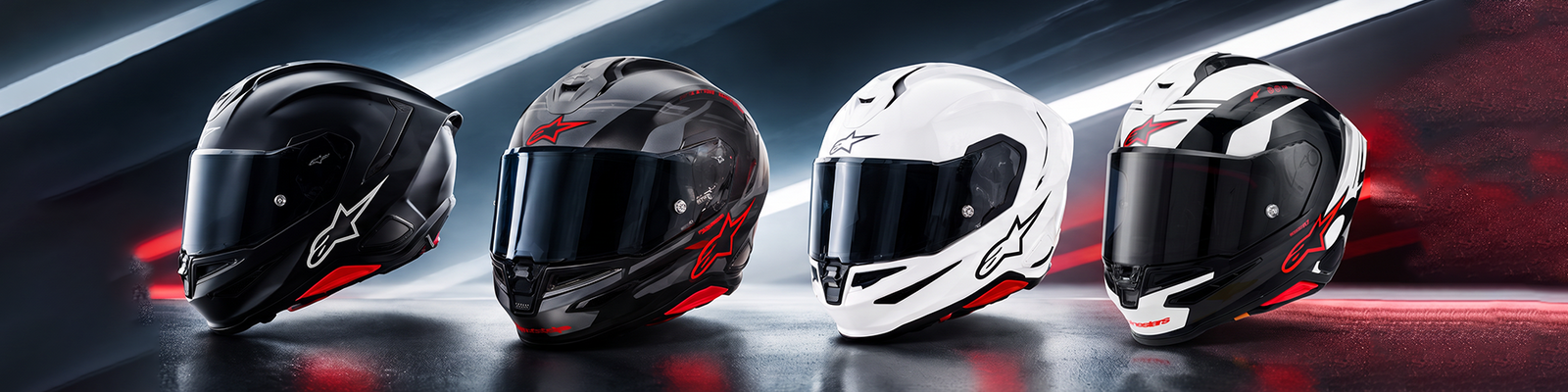
- Helmet Safety (UK Legal Requirements & Lifespan of a Helmet) – Your motorcycle helmet is the most important piece of gear. In the UK, helmets must meet BS 6658:1985 or ECE 22.05/22.06 safety standards. Inspect your helmet regularly for cracks or damage, and replace it every five years or sooner if it has been in an accident.
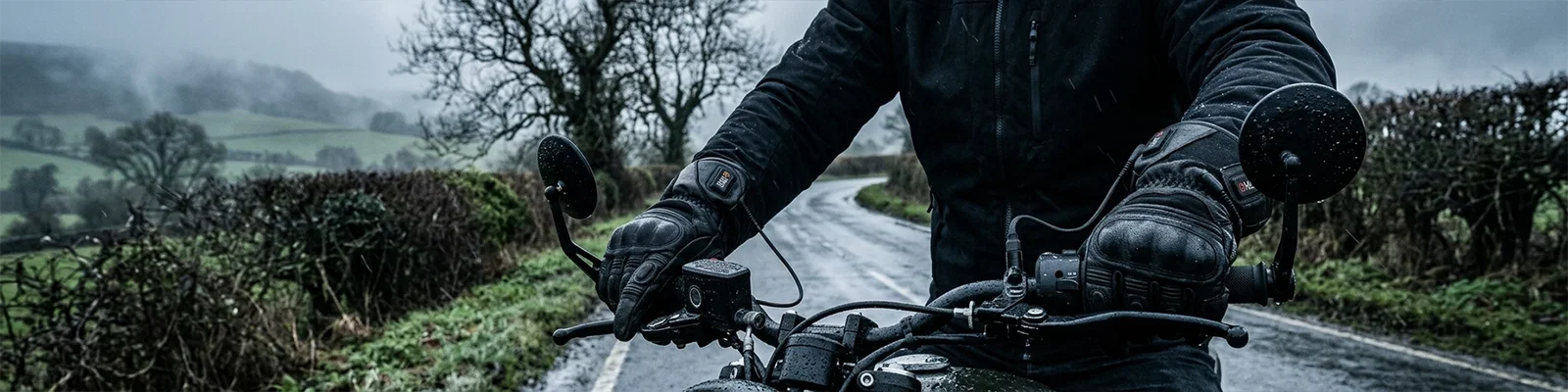
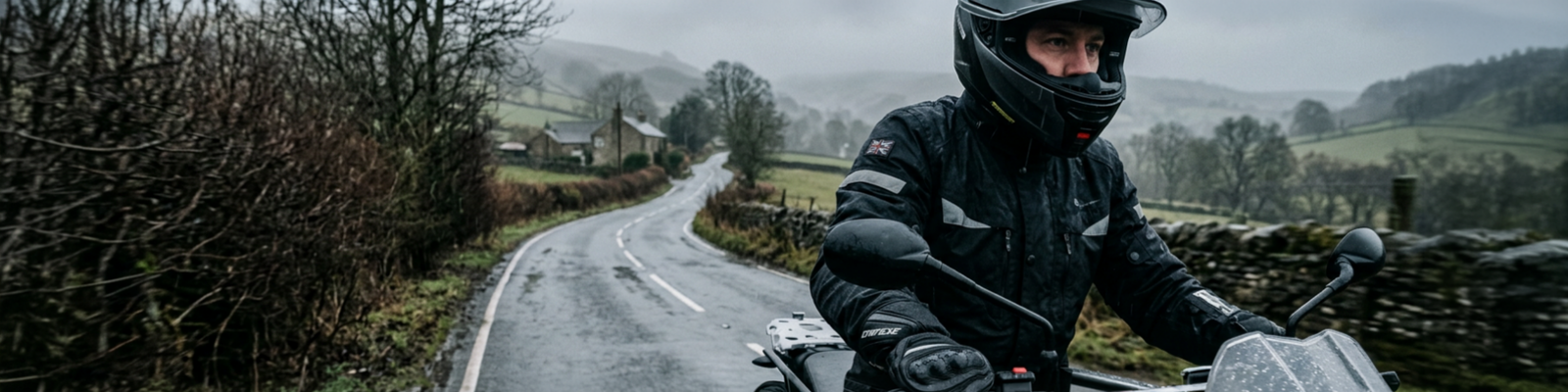
- Protective Clothing: Gloves, Boots, Jackets & Trousers – Motorcycle jackets, gloves, boots, and trousers provide essential protection against abrasions and impact.
- Look for CE-approved armour in key areas like shoulders, elbows, knees, and back to reduce the risk of injury.
- High-Visibility Options for Better Road Presence – Being seen is just as important as being protected. Wearing high-visibility jackets, reflective strips, or bright colours can help other road users spot you more easily, especially in poor weather or low-light conditions.
Regular Maintenance & When to Seek a Bike Service
Regular maintenance helps prevent costly repairs and unexpected breakdowns, ensuring every ride is smooth and worry-free.
- Weekly vs. Monthly Checks: What to Monitor & How Often – Some parts of your bike need more frequent attention than others. Weekly checks should include tyre pressure, fluid levels, lights, and brake function to catch any immediate issues. Monthly checks should go deeper, inspecting your chain tension, suspension, battery health, and overall frame condition.
- Essential Tools to Carry for Roadside Fixes – Even the best-maintained bikes can experience minor issues on the road. Carrying a basic tool kit with essentials like a tyre repair kit, chain lube, multi-tool, spare fuses, and cable ties can help you fix small problems and get back on the road quickly.
By staying on top of routine maintenance and knowing when to seek expert help, you’ll keep your motorcycle performing at its best while avoiding unexpected headaches.