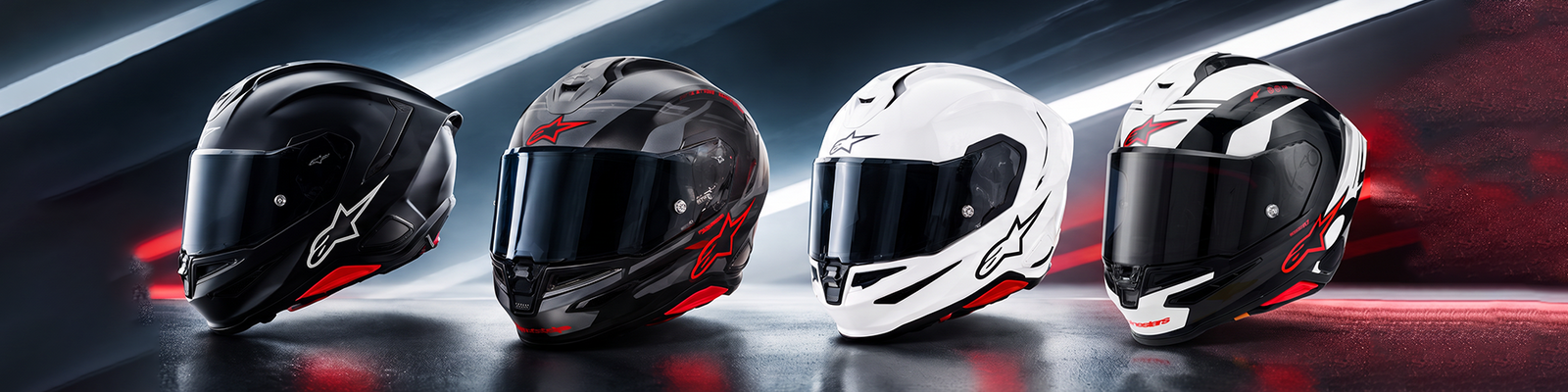
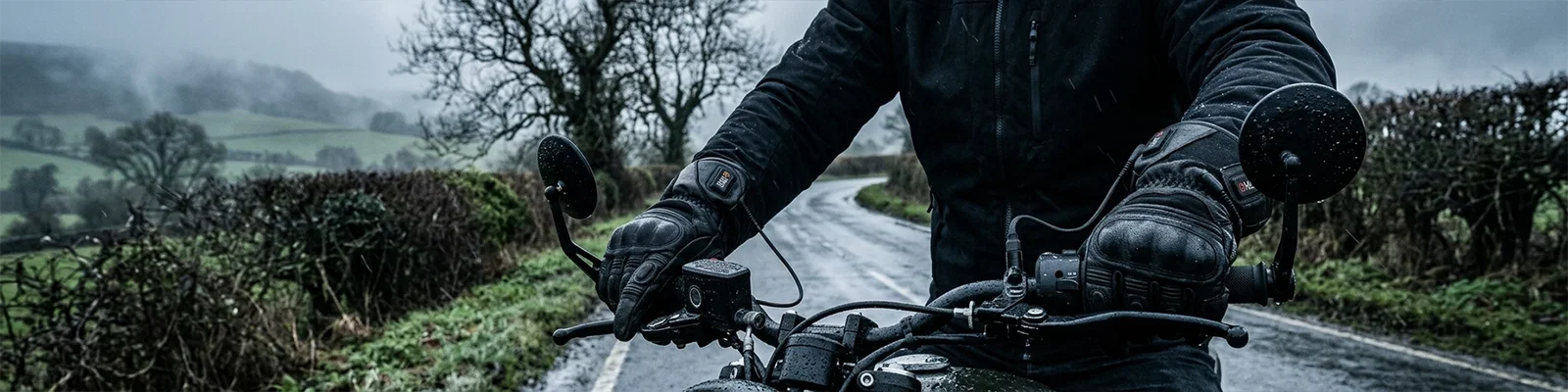
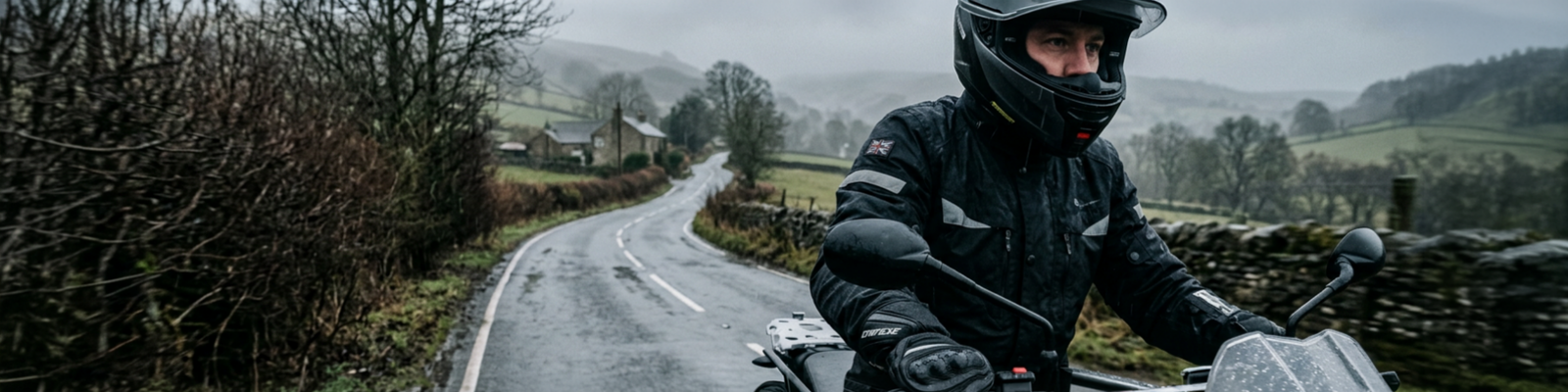
Riding a motorcycle offers an unmatched sense of freedom and adventure, but with that comes the need for proper protection in the form of motorcycle clothing.
The right safety gear can make all the difference, safeguarding you from serious injuries while keeping you comfortable on the road. Whether you’re a new rider or looking to upgrade your current motorcycle kit, our guide will walk you through everything you need to know about essential motorcycle safety gear.
From the types and styles of motorbike helmets to safety boots, we’ve got you covered—literally!
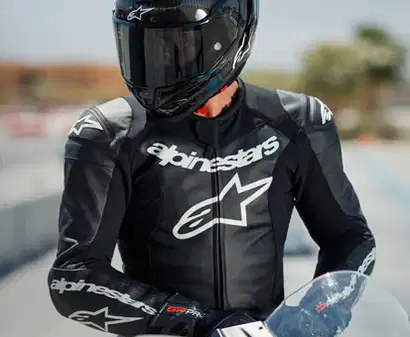
Why Is Motorcycle Safety Gear Important?
When you’re riding a motorcycle, you're exposed to greater risks compared to other road users. Without the right safety gear, even a minor accident can lead to severe injuries.
Understanding why protective gear such as jackets & trousers are essential will help you stay safer on the road.
The Risks of Riding Without Proper Gear
Motorcycles offer little to no protection in the event of an accident. Riders without proper gear face serious risks such as:
- Severe injuries from impact: Without helmets or body protection, riders are highly susceptible to head trauma, fractures, and internal injuries.
- Road rash: Sliding on asphalt can cause skin damage, which can be painful and lead to long-term scarring or infections.
- Weather-related hazards: Cold, wind, and rain can impair your ability to control the motorcycle and affect your concentration without weather-appropriate gear.
The lack of adequate protection significantly increases the chances of permanent injury or fatality in an accident.
How Protective Gear Reduces Injuries
Investing in proper safety gear can dramatically reduce the severity of injuries in an accident. Each piece of gear is designed to provide critical protection:
- Helmets: Reduce the risk of head injury by absorbing impact forces and protecting the skull.
- Jackets and trousers: Reinforced with abrasion-resistant materials and CE-rated armour to protect against both impact and road rash.
- Gloves: Shield hands from abrasions and fractures, allowing better grip and control of the bike even in adverse conditions.
- Boots: Prevent foot and ankle injuries with reinforced construction that absorbs shock and provides added stability.
Studies have shown that riders wearing certified protective gear are significantly less likely to sustain life-threatening injuries.
Legal Requirements for Motorcycle Gear in the UK
In the UK, certain motorcycle safety gear is not just recommended—it’s a legal requirement:
- Helmet laws: It is mandatory to wear a helmet that meets UK safety standards (ECE 22.05 or the newer 22.06) when riding on public roads.
- Helmet fit and fastenings: Helmets must be securely fastened while riding, or you may face penalties.
- Insurance and compliance: Riding without an approved helmet can invalidate your insurance and result in fines or prosecution.
While other gear such as jackets, gloves, and boots is not legally required, experienced riders know that full protection is essential for their safety. Riding responsibly with proper gear not only keeps you compliant with the law but also significantly reduces your risk on the road.
Essential Motorcycle Safety Gear Checklist
Investing in the right safety gear is crucial for protecting yourself on the road. Here’s a breakdown of the essential gear every rider should have and what to look for in each item.
Helmet – Your Most Important Safety Item
Your helmet is the most critical piece of safety gear, designed to protect your head from serious injuries in an accident. It’s not just recommended—it’s required by law in the UK.
Types of Motorcycle Helmets (Full-face, open-face, modular)
- Full-face helmets: Offer the highest level of protection, covering the entire head and face. Ideal for maximum safety and weather protection.
- Open-face helmets: Provide good visibility and ventilation but leave the face exposed, offering less protection.
- Modular helmets: A hybrid option with a flip-up front, combining some of the advantages of both full-face and open-face helmets.
Helmet Safety Standards and Certifications (ECE, SHARP)
- ECE 22.05/22.06: This is the standard certification for helmets sold in the UK and Europe, ensuring helmets meet safety criteria for impact absorption, retention, and visibility.
- SHARP rating: The Safety Helmet Assessment and Rating Programme (SHARP) provides an extra safety score based on real-world impact tests, helping riders choose the safest options.
How to Choose the Right Helmet Size and Fit
- Measure your head circumference to find the correct size on a manufacturer’s chart.
- The helmet should fit snugly without causing discomfort. You shouldn't be able to move it around easily when it's fastened.
- Test the helmet with the chin strap secured to ensure it stays in place during movement.
Motorcycle Jackets – Protection Against Impact and Abrasion
A good motorcycle jacket not only protects you from impact injuries but also shields you from the elements and road abrasions.
Key Materials (Leather vs Textile)
- Leather jackets: Durable and abrasion-resistant, often preferred for high-speed or sports riders.
- Textile jackets: Offer more flexibility, with added features such as waterproofing and ventilation. Ideal for touring and commuting.
CE-Rated Armour and Padding Look for jackets with built-in CE-rated protection for the shoulders, elbows, and spine. Armour absorbs shock and distributes the force of impacts, reducing the risk of serious injury.
Ventilation, Waterproofing, and Visibility Features
- Ventilation: Essential for comfort in warmer weather, with adjustable vents to promote airflow.
- Waterproofing: Critical for UK weather conditions to keep you dry on rainy rides.
- Visibility: Reflective panels and bright colours improve your visibility to other road users, especially at night.
Motorcycle Gloves – Essential for Hand Protection
Hands are highly vulnerable in a fall. Proper gloves protect against abrasions, fractures, and cold weather while ensuring a secure grip on the controls.
Features to Look for in Gloves (Reinforced Knuckles, Grip, Weatherproofing)
- Reinforced knuckles: Protect your hands from impact and debris.
- Grip: Non-slip materials improve your control of the throttle and brake.
- Weatherproofing: Waterproof or thermal gloves help maintain hand dexterity in adverse conditions.
Summer vs Winter Motorcycle Gloves
- Summer gloves: Lightweight and breathable, with ventilation to prevent sweating.
- Winter gloves: Thicker and insulated, designed to retain heat and protect against cold winds.
Motorcycle Trousers – Protecting Your Lower Body
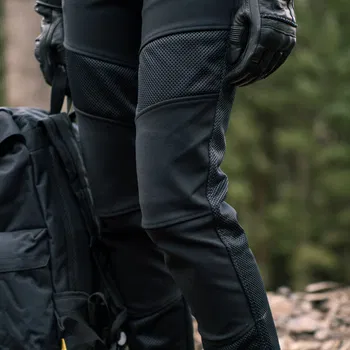
Your legs and hips are at risk in an accident, and regular trousers won’t provide adequate protection. Motorcycle trousers are designed to protect against both impact and abrasion.
Riding Jeans, Textile Trousers, and Leather Options
- Riding jeans: Look like casual wear but include reinforced panels and hidden armour for protection.
- Textile trousers: Offer versatility with features like waterproofing and ventilation.
- Leather trousers: Durable and abrasion-resistant, often used by sports riders.
Importance of Knee and Hip Protection CE-rated armour in the knees and hips is essential to protect these critical areas from impact during a fall. Adjustable armour pockets allow for a customised fit.
Motorcycle Boots – Sturdy Protection for Feet and Ankles
Riding boots are crucial for foot and ankle protection, providing support and shielding you from impact and abrasion.
Why Regular Shoes Aren’t Enough Regular shoes offer minimal protection and can easily come off during an accident. They lack the reinforced materials needed to protect against impact and crush injuries.
Key Features in Safety Boots (Reinforcement, Sole Grip, Waterproofing)
- Reinforcement: Look for reinforced toe boxes, ankle protection, and shank supports to protect against crushing and twisting.
- Sole grip: Anti-slip soles provide stability when riding and walking, especially on wet surfaces.
- Waterproofing: Essential for all-weather riding, keeping your feet dry and comfortable.
By investing in high-quality motorcycle safety gear, you’ll be better prepared to enjoy your rides while minimising risks on the road.
Additional Gear to Consider
While essential gear provides the core protection you need, additional equipment can further enhance your safety, comfort, and visibility on the road.
Base Layers and Thermal Liners for All-Weather Riding
Base layers and thermal liners help regulate body temperature during rides in various weather conditions.
- Moisture-wicking base layers keep you cool and dry in hot weather.
- Thermal liners provide extra warmth in cold conditions, making them essential for year-round riders.
Back Protectors and Chest Protectors for Added Safety
Impact to the torso can be life-threatening. Back and chest protectors provide extra protection for your spine, ribs, and internal organs.
- Integrated protectors can be found in high-end jackets.
- Standalone options are available for those seeking additional coverage beyond basic CE-rated armour.
Hi-Vis Vests and Reflective Gear for Improved Visibility
Visibility is crucial, especially when riding in low-light conditions. Hi-vis vests and reflective elements make you more noticeable to other road users, reducing the risk of accidents.
How to Choose the Right Motorcycle Gear for You
Choosing the right gear involves considering your riding style, budget, and comfort needs. A well-informed decision can enhance both your safety and enjoyment.
Riding Style Considerations (Commuter, Touring, Sports)
- Commuter riders benefit from lightweight, all-weather gear for daily use.
- Touring riders should prioritise comfort, weather protection, and durability for long-distance trips.
- Sports riders require high-performance, abrasion-resistant gear designed for speed and impact protection.
Balancing Safety, Comfort, and Budget
- Safety: Always prioritise CE-rated protective gear that meets safety standards.
- Comfort: Well-fitting gear improves control and reduces fatigue. Look for ventilation and adjustable features.
- Budget: Invest in core essentials like helmets and jackets first. Consider quality second-hand options for other items if needed.
Trying Gear In-Store vs Buying Online
- In-store: Trying on gear allows you to test the fit, comfort, and features firsthand.
- Online: Offers a wider selection and competitive prices but ensure you know your correct size and check return policies.
Maintenance and Care for Your Motorcycle Gear
Proper maintenance ensures your gear remains effective and lasts longer, saving you money and improving safety.
Cleaning and Maintaining Leather Gear
- Use a damp cloth and leather cleaner to remove dirt and grime.
- Apply leather conditioner to keep the material supple and prevent cracking.
- Store in a cool, dry place away from direct sunlight.
Waterproofing and Maintaining Textile Gear
- Clean textile gear with mild detergent and avoid fabric softeners.
- Reapply waterproofing treatments periodically to maintain water resistance.
- Ensure gear is fully dry before storage to prevent mould and odours.
When to Replace Your Gear for Optimal Safety
- Replace helmets after a significant impact or every 5-7 years, as materials degrade over time.
- Check armour and padding for cracks or deformation.
- Replace gear if it becomes excessively worn, torn, or compromised in its protective features.
Common Beginner Mistakes When Choosing Motorcycle Gear
Avoiding common mistakes can save you money and prevent compromising your safety on the road.
Underestimating the Importance of Safety Certifications
Some riders choose gear based on appearance or price, overlooking critical safety certifications. Always check for CE ratings and other relevant safety marks like ECE and SHARP.
Buying Gear That Doesn’t Fit Properly
Ill-fitting gear can reduce protection and make riding uncomfortable. Gear that’s too tight can restrict movement, while loose gear may shift out of position during an impact.
Ignoring Weather-Specific Gear Needs
Failing to prepare for changing weather conditions can lead to discomfort and impaired concentration. Ensure your gear is suited for the climate you’ll be riding in, with options for both summer and winter use.
FAQs About Motorcycle Safety Gear
Does Motorcycle Gear Really Make a Difference?
Yes, studies have shown that wearing proper safety gear significantly reduces the risk of severe injuries in accidents. Helmets alone reduce the risk of fatal head injury by nearly 70%, and protective clothing prevents abrasions and fractures.
Is All Motorcycle Gear Required by Law in the UK?
No, only helmets are legally required in the UK. However, wearing full protective gear, including jackets, trousers, gloves, and boots, is highly recommended to ensure your safety on the road.
Can I Wear Regular Clothes Under My Motorcycle Gear?
Yes, but it’s better to wear moisture-wicking or thermal base layers designed for riding. These layers help regulate body temperature and provide greater comfort during rides in varying weather conditions.